
When your Samsung washer grinds to a halt mid-cycle and flashes an 'SE' code, it’s not just a random glitch—it's a specific cry for help. This code, which you might see as '5E' or '5C' on newer models, is your machine’s way of telling you it can't drain water properly. While frustrating, the good news is that the cause is often a simple blockage you can likely fix yourself in under an hour.
This guide walks you through the exact steps to diagnose and solve the problem, starting with the easiest fixes first.
Understanding the Samsung SE Drainage Error
Seeing a blinking SE code can be alarming, but it's a smart feature designed to prevent bigger problems like a flooded laundry room. Think of it as a targeted alert, not a catastrophic failure. Your washer runs on a built-in timer for every part of the cycle. If water doesn’t drain within that set time, the machine smartly shuts down and displays the error code.
The SE error means the machine has tried to drain the tub, failed, and its internal sensors have triggered a stop to prevent damage. The root cause can be anything from a rogue sock blocking the drain to a more complex pump or electrical fault.
Samsung SE Error Code at a Glance
To give you a quick overview, here’s what the SE error code and its variations typically point to.
| Error Code Display | What It Means | Most Common Causes |
|---|---|---|
| SE or 5E | Standard Drainage Error | Clogged drain filter, kinked drain hose, excessive suds. |
| 5C | Drainage Error (Newer Models) | Same as SE/5E; often related to filter or hose blockages. |
| ND (No Drain) | Non-Draining Condition | Drain pump failure, severe clogs, or sensor issues. |
Most of the time, the fix is much simpler than you might expect, and you won't need to call in a pro just yet.
Common Reasons for the SE Code
Before you start worrying about expensive repairs, it’s worth checking the usual suspects. In our experience, nine times out of ten, the problem is something simple.
Here’s what you should look for first:
- Clogged Debris Filter: This is the #1 culprit. The filter is designed to catch lint, coins, buttons, and other debris. If it gets completely blocked, water has nowhere to go.
- Kinked or Blocked Drain Hose: It’s easy for the drain hose to get squashed or kinked if the washer is pushed too tightly against the wall. This crimps the hose and stops water from flowing out.
- Too Many Suds: Using too much soap, or the wrong kind (like non-HE detergent in a High-Efficiency machine), can create a mountain of suds. This foam can confuse the water level sensors and interfere with the draining process.
- Something Stuck in the Pump: Occasionally, a small item like a baby sock or a coin can sneak past the filter and get lodged in the drain pump itself, stopping the impeller from spinning.
Expert Tip: A blocked drain filter is to a washing machine what a clogged sink drain is to a kitchen—it stops everything downstream. Regularly checking this small component can prevent over 80% of drainage-related service calls.
Thankfully, most of these issues are straightforward to diagnose and fix on your own. For a wider look at other potential washer problems, take a look at our guide on common washing machine issues and solutions.
Step-by-Step Guide to Clear the Drainage Error
When your Samsung washer flashes an SE code, don't assume the worst. A few simple checks can often solve the problem in minutes by targeting the most common culprits behind drainage errors.
The first and most important place to look is the debris filter. It's the frontline defense for your washer's drain pump, catching lint, stray coins, hair, and other bits. Over time, this filter can get completely clogged, creating a blockage that stops water from draining out.
Step 1: Reset and Check the Debris Filter
Sometimes, a quick electronic reset can clear a temporary glitch. Start by unplugging your washer from the wall outlet. Let it sit for about 10-15 minutes to allow the control board's capacitors to discharge and reset. Plug it back in and try running a "Rinse & Spin" cycle to see if the error is gone.
If the SE code reappears, it's time to clean that filter. The process is straightforward, but be prepared for some water.
- Locate the Filter: On most front-load models, the filter is behind a small access panel on the machine's bottom-right corner.
- Prepare for Water: Grab a shallow pan and a couple of old towels and place them under the panel. There will be leftover water in the drum that's about to come out.
- Drain the Machine: You should see a small emergency drain tube. Uncap it and let the water flow into your pan.
- Remove and Clean: Once the water stops, twist the large filter cap counter-clockwise to unscrew it. Pull it out and clean off all the accumulated gunk. You might be surprised at what you find!
After cleaning the filter, screw it back in tightly. In many cases, this solves the problem. For more detailed pictures and steps, check out our guide on how to clean a washing machine filter.
The logic behind this common error is pretty simple, as the diagram below shows.
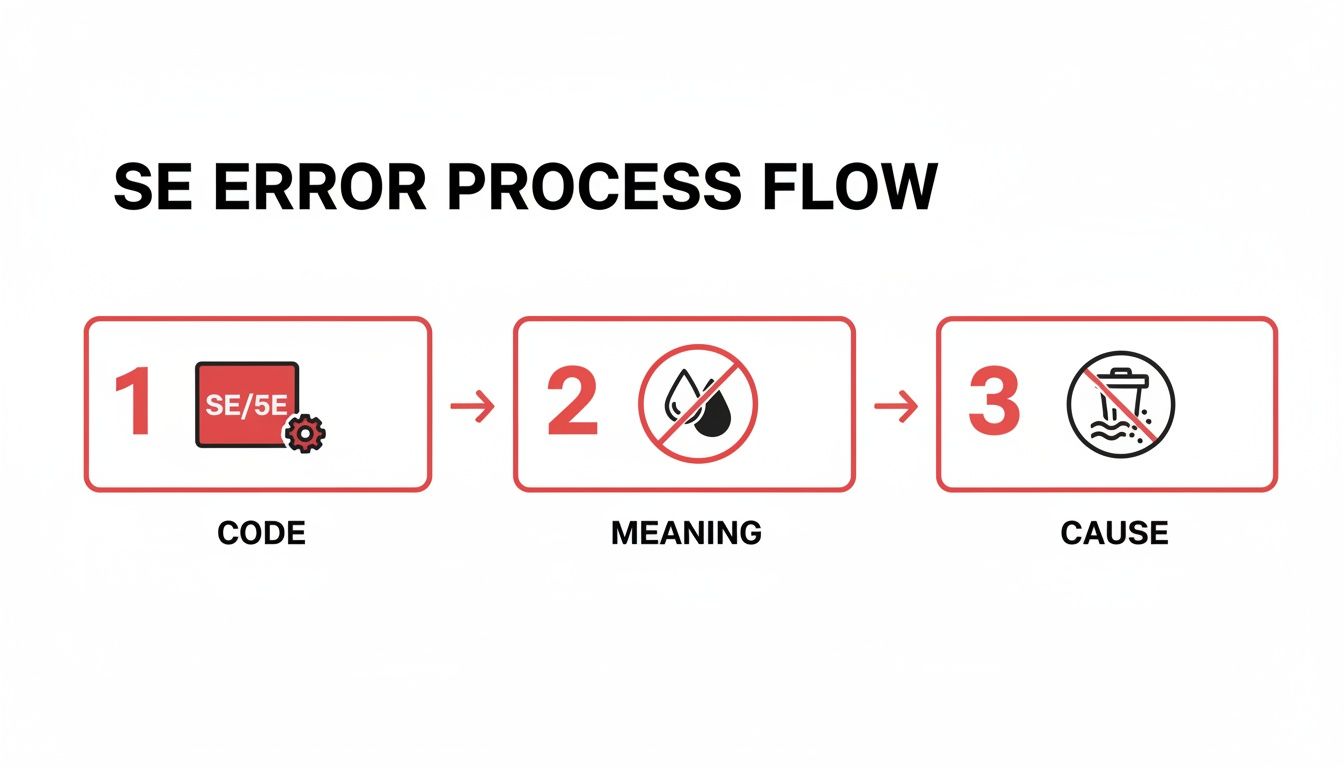
At its core, the Samsung SE error code is the machine's way of telling you it can't drain water properly. While several things can cause this, a simple blockage in the drainage system—usually at the debris filter—is by far the most common issue you can fix yourself.
Step 2: Inspecting The Drain Hose And Pump
If you’ve cleaned the debris filter but that stubborn SE code is still there, don't get discouraged. The next logical step is to check the drain hose, another common culprit that’s surprisingly easy to overlook. A simple kink or clog here can stop water just as effectively as a blocked filter.
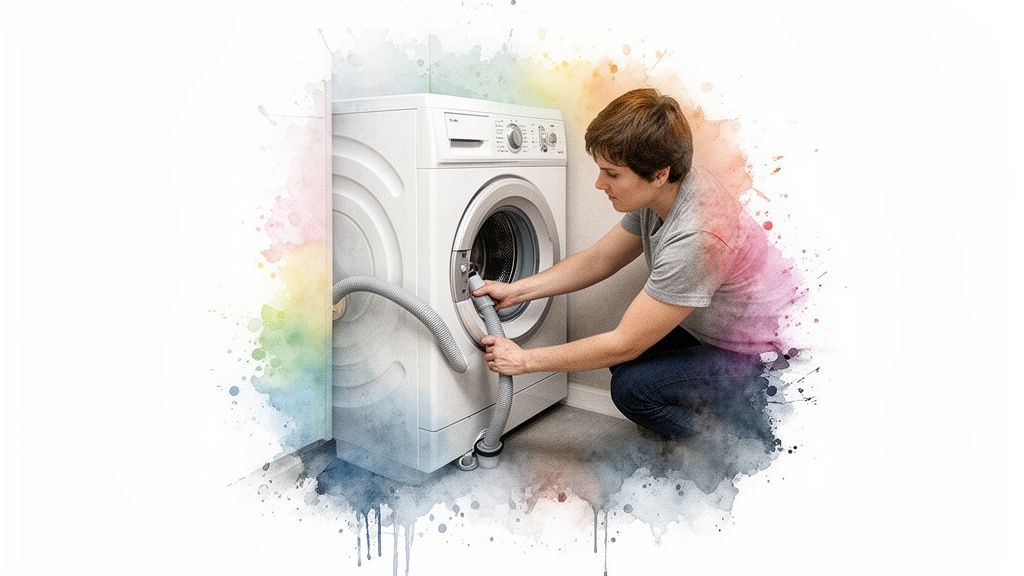
First, gently pull your washer away from the wall. Go slow and be careful not to yank on any connections. You just need a clear look at the grey, corrugated drain hose running from the back of the machine into your wall standpipe.
Checking For Kinks And Proper Placement
Once you have access, give it a quick visual scan. Is the hose bent sharply, kinked, or squished between the washer and the wall? Any severe kink acts like a dam, preventing water from escaping and triggering the samsung washer codes se. Straighten out any tight bends to ensure water has a clear path out.
Another subtle but critical issue is how the hose is placed in the standpipe. Pushing the hose too far down can create a siphoning effect, which can confuse the washer's water level sensor and cause a false drainage error.
Rule of Thumb: The drain hose should not be inserted more than 15 centimetres (about 6 inches) into the standpipe. This prevents siphoning issues while keeping the connection secure enough that it won't pop out during a heavy spin cycle.
If the hose looks straight and is positioned correctly, it’s time to listen to the drain pump. The pump is the heart of the draining system, and the sounds it makes (or doesn't make) can tell you a lot.
Listening To Your Drain Pump
To check the pump, start a "Rinse & Spin" or "Drain & Spin" cycle. As soon as the cycle begins, get down close to the machine—usually near the bottom front—and listen carefully.
Here's a breakdown of what the sounds might mean:
- A Low, Steady Hum: This is good. It means the pump is getting power and is trying to work. If you hear this but no water is draining, a small object might be jamming the pump's impeller.
- Loud Grinding or Rattling: This almost always points to a foreign object—like a coin, button, or bra underwire—that slipped past the filter and is now caught in the pump. That noise is the impeller hitting the obstruction.
- Complete Silence: No sound at all is a red flag. It suggests the pump isn't getting any power or its motor has failed. This could be a loose wire or a burned-out motor, which is a more significant issue.
If you suspect a blockage in the hose or a problem with the pump and the machine still won't drain, you might need to dig a little deeper. For more insights, learn what to do when your washing machine won't drain or spin in our detailed guide.
Knowing When to Call a Repair Technician
While many Samsung washer SE codes can be sorted out with simple DIY steps, there comes a point where pushing it can lead to bigger, more expensive headaches. Knowing when to put the tools down and pick up the phone is key to protecting both your washer and your home from further damage.
If you've meticulously cleaned the filter and confirmed the drain hose is clear, but the washer still refuses to drain, that’s a strong sign of a component failure, not just a simple blockage.
Similarly, if you heard a loud grinding sound from the pump area, that’s your washer screaming for help. Trying to force another cycle is a recipe for burning out the pump motor or causing a domino effect of other broken parts.
Red Flags That Signal a Deeper Problem
Recognizing the symptoms of a more complex failure can save you time and prevent a minor issue from becoming a major one. Certain signs are dead giveaways that the problem is beyond a simple clog.
Keep an eye out for these red flags:
- The Error Won't Quit: You've cleaned the filter and hose top to bottom, but the SE code pops right back up.
- Weird Noises (Or No Noise): The drain pump is either making a horrible grinding sound or is completely silent when it should be working. This usually points to a seized motor or a serious internal jam.
- A Burning Smell: A faint electrical or burnt plastic odor is a major warning. It could be an overheating motor or a wiring issue that needs immediate professional attention.
- Puddles on the Floor: If you spot water leaking from the bottom of the machine, it might be a cracked pump housing or a loose connection. This isn't something to ignore.
Heads Up: While simple fixes often resolve the SE error, persistent issues often point to more significant component failures, such as a burnt-out drain pump motor or a fault within the main control board.
DIY vs Professional Repair for the SE Error
Deciding whether to tackle the issue yourself or call in a pro can be tricky. This table breaks down common scenarios to help you make the right call.
| Symptom | Recommended Action | Why It Matters |
|---|---|---|
| First-time SE error code | DIY: Reset washer, check for suds, clean drain filter. | These basic steps resolve the majority of SE errors without needing any tools. |
| SE error returns after cleaning | DIY/Pro: Double-check the drain hose for deep kinks or clogs. If clear, consider calling a professional. | A recurring error points to a problem beyond a simple filter blockage, like a failing pump or sensor. |
| Loud grinding or buzzing noise | Call a Pro: Immediately stop using the washer. | This sound indicates a failing or jammed drain pump. Continuing to run it can cause severe damage. |
| Burning smell or signs of a leak | Call a Pro: Unplug the machine immediately. | These are serious safety hazards. A burning smell suggests an electrical fault, while leaks can cause water damage. |
| Error persists after all DIY steps | Call a Pro: You've done what you can. A technician can diagnose complex issues with sensors or the control board. | Misdiagnosing an electrical component can be costly and dangerous. A pro has the tools to test parts accurately. |
Ultimately, if you've run through the basic checks and are still scratching your head, it's safer and often cheaper in the long run to get a professional opinion.
Why Professional Diagnosis Matters
When your best efforts fail, it often means there's a more stubborn clog that requires specialized tools. Sometimes, the problem lies deeper in your home's plumbing, requiring professional drain cleaning and clog removal services.
Beyond clogs, a certified technician has the diagnostic equipment to safely test the pump, water level sensor, and main control board without guesswork. Trying to replace these parts without proper training can lead to misdiagnosis—costing you money on parts you didn't need—or creating a serious electrical hazard. For homeowners in Calgary and the surrounding areas, a licensed technician’s expertise is the best way to get an accurate and safe repair. If you're unsure who to call, check out our guide on how to choose the right technician for appliance repair to help you make an informed decision.
How to Prevent Future Drainage Problems
Dealing with a Samsung washer SE code is a hassle, but the best fix is preventing it from happening in the first place. By adopting a few simple habits into your laundry routine, you can keep your machine’s drainage system clear and running smoothly.
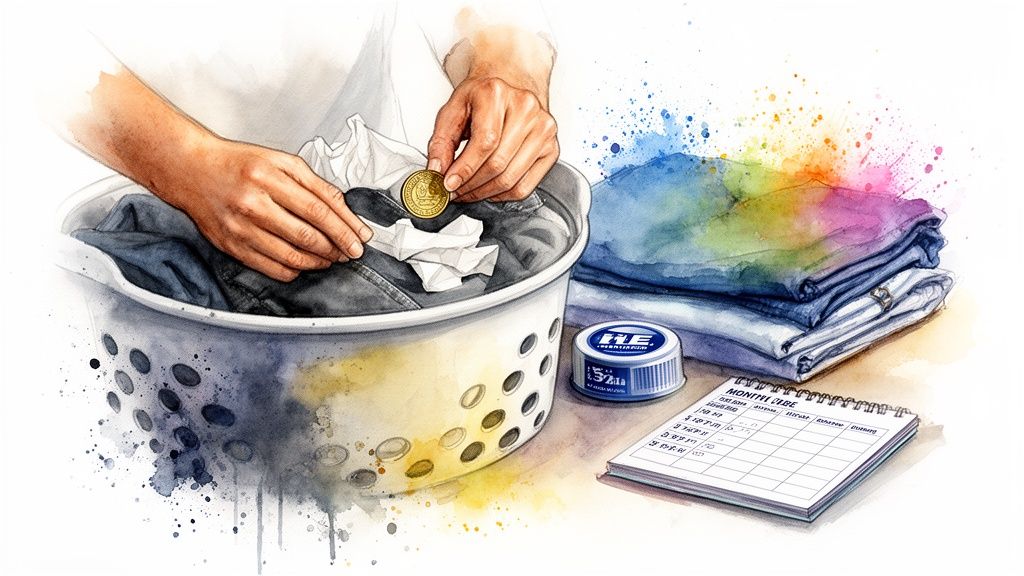
The most effective preventative measure is also the easiest: regularly checking your debris filter. It only takes about five minutes once a month. This small trap is designed to catch everything from lint and hair to forgotten coins, and keeping it clear is the single best way to avoid a blockage.
Adopt Proactive Laundry Habits
Small adjustments to how you do laundry can make a massive difference. Think of it as protecting your investment.
Start by making it a rule to check every pocket before clothes go into the wash. A single tissue can disintegrate and clog the system, while coins and keys can damage the filter or even the drain pump.
Here are a few practical tips to follow:
- Use High-Efficiency (HE) Detergent Only: Modern Samsung washers are designed for low-suds HE soap. Using regular detergent creates excessive foam that can confuse sensors and prevent proper draining.
- Measure Your Detergent Carefully: More soap does not mean cleaner clothes. Using too much detergent is a leading cause of suds-related drainage errors.
- Don't Overload the Machine: Cramming too many clothes into the drum puts a strain on the entire system and can lead to poor draining and spinning performance.
- Run a Monthly Cleaning Cycle: Use a washing machine cleaner or run an empty hot water cycle with vinegar to dissolve buildup and keep internal components fresh.
Expert Tip: Small, consistent maintenance is far more effective than reacting to a problem. A five-minute filter check each month can prevent over 80% of common drainage errors, extending the life of your appliance.
Beyond specific washer maintenance, understanding how to generally keep your home's pipes clear can also help. Learning about preventing pipe clogs offers broader insights that contribute to a healthy plumbing system throughout your house.
By turning these simple steps into habits, you’ll not only avoid the dreaded SE code but also ensure your Samsung washer operates reliably for years to come.
FAQs: Your Questions About Samsung Washer Errors Answered
It's normal to have a few more questions, especially when dealing with confusing error codes. Here are clear answers to the most common queries we receive.
Can I just restart my washer when it shows an SE code?
While unplugging your washer for a few minutes might make the SE code go away temporarily, it’s not a real fix. Think of it like hitting snooze on an alarm—you're just delaying the inevitable. A restart doesn't solve the root problem, which is usually a physical blockage. Forcing the machine to run with a clog can strain the drain pump motor, potentially burning it out. It’s always better to find out why the code is there in the first place.
Is the 5E error the same as the SE error?
Yes, they are the exact same error. On newer Samsung models, the drainage problem shows up as a 5E or 5C code. The confusion comes from the digital display, where the number ‘5’ looks a lot like the letter ‘S’. Whether you see SE, 5E, or 5C, your troubleshooting steps are the same: check the filter and the drain hose.
How much does it cost to replace a Samsung washer drain pump?
If you've determined the drain pump has failed, the cost for a professional replacement can vary based on your washer model and location. Generally, you can expect the total cost for a professional drain pump replacement to be between $200 and $400.
This estimate usually covers the new pump, the technician's labor, and the service call fee. Always ask for a clear quote upfront so there are no surprises on the final bill.
While it's an expense, it’s almost always more cost-effective than buying a new washing machine. A professional washer repair also ensures everything is installed correctly and safely.
Need Help With Your Samsung Washer?
If you’ve tried all the troubleshooting tricks and that stubborn Samsung washer SE code just won’t go away, it's a clear sign something deeper is wrong. Often, a persistent error points to a failing drain pump or a faulty sensor. Continuing to run the machine at this point can lead to much bigger, more expensive problems.
Don’t let a faulty washer throw your whole week off track. When DIY isn't cutting it, our professional technicians are here to help. At Repair My Appliance, we provide fast, reliable service across Calgary, Edmonton, and Red Deer. Our vans are stocked with genuine parts, so we can usually get the job done on the first visit.
Safety First: Tackling complex electrical or mechanical issues yourself can be risky. Leaving it to a licensed professional not only guarantees the right fix but also keeps you safe and prevents accidental damage to your appliance.
Don't let the laundry pile up. Need appliance repair? Visit RepairMyAppliance.ca or call 587-416-5888 for fast, professional service.